

Currently, 6000 Mexican Pesos (MXN) converts to approximately [current conversion amount] Costa Rican Colones (CRC). This number changes daily, so the rate you get from a bank or exchange service will be different.
I’m here to explain why the rate fluctuates and how you can calculate it yourself. Knowing this can help you make smarter decisions, whether you’re traveling, doing business, or sending money abroad.
Let’s start with the basics. The official currency codes are MXN for Mexican Pesos and CRC for Costa Rican Colones. These codes will help us keep things clear throughout the article.
By the end, you’ll understand how to avoid hidden fees and get the best possible value when converting 6000 pesos mexicanos a colones. Trust me, it’s worth knowing.
How to Calculate the Real MXN to CRC Exchange Rate
The mid-market rate is the true exchange rate used by banks and trading institutions. It’s the midpoint between the buy and sell prices of a currency.
Consumer exchange services add a spread or margin to this rate to make a profit. This is why the customer rate is always less favorable.
Let’s break it down with a simple example:
- Find the current mid-market rate (e.g., 1 MXN = 30.5 CRC).
- Multiply your amount: 6000 pesos mexicanos a colones * 30.5 = 183,000 CRC.
When you’re converting pesos into colones, you’ll be using the buy rate. This is the rate at which the exchange service buys the currency from you. The sell rate is what they use when selling the currency to you.
To get the best deal, check the live mid-market rate using reliable, free online tools like Google Finance, XE.com, or Reuters. These can help you benchmark against the rates offered by different services.
Be wary of services advertising ‘zero fees’ or ‘no commission.’ They often hide their profit in a poor exchange rate. Always do your homework and compare rates before making a transaction.
I’m not going to pretend I have all the answers. The financial world can be murky, and sometimes even the experts are left scratching their heads. But by staying informed and doing your research, you can make better decisions.
Best and Worst Places to Exchange Your Pesos for Colones
When you’re looking to exchange your pesos for colones, it’s all about getting the best value. Let’s break it down.
Best Option: Online Money Transfer Services (e.g., Wise, Remitly)
These services typically offer rates closest to the mid-market rate with transparent, low fees. The catch? It might take a few days for the transfer to complete.
But hey, patience can save you a lot of money.
Good Option: Local Banks or Credit Unions
Banks and credit unions are secure and reliable. However, their exchange rates are often less competitive. Plus, they may have fixed transaction fees.
So, while it’s a safe bet, it’s not always the best deal. Etrscrypto
Situational Option: ‘Casas de Cambio’ (Local Exchange Bureaus) in Costa Rica
In tourist areas, these can offer competitive rates. But it’s crucial to compare several before committing. Rates can vary widely, and you don’t want to get shortchanged.
Worst Option: Airport Currency Exchange Kiosks
These kiosks offer the worst rates and highest fees. They bank on convenience and a captive audience. If you must, exchange only a small emergency amount here.
Otherwise, steer clear.
Pro tip: Use credit cards with no foreign transaction fees for purchases. They often use rates very close to the mid-market rate. This can be a game-changer when you’re traveling.
For example, if you need to convert 6000 pesos mexicanos a colones, using an online service will likely give you more colones than if you used an airport kiosk. Always check the rates and fees to make the smartest choice.
What Makes the Peso to Colón Exchange Rate Fluctuate?
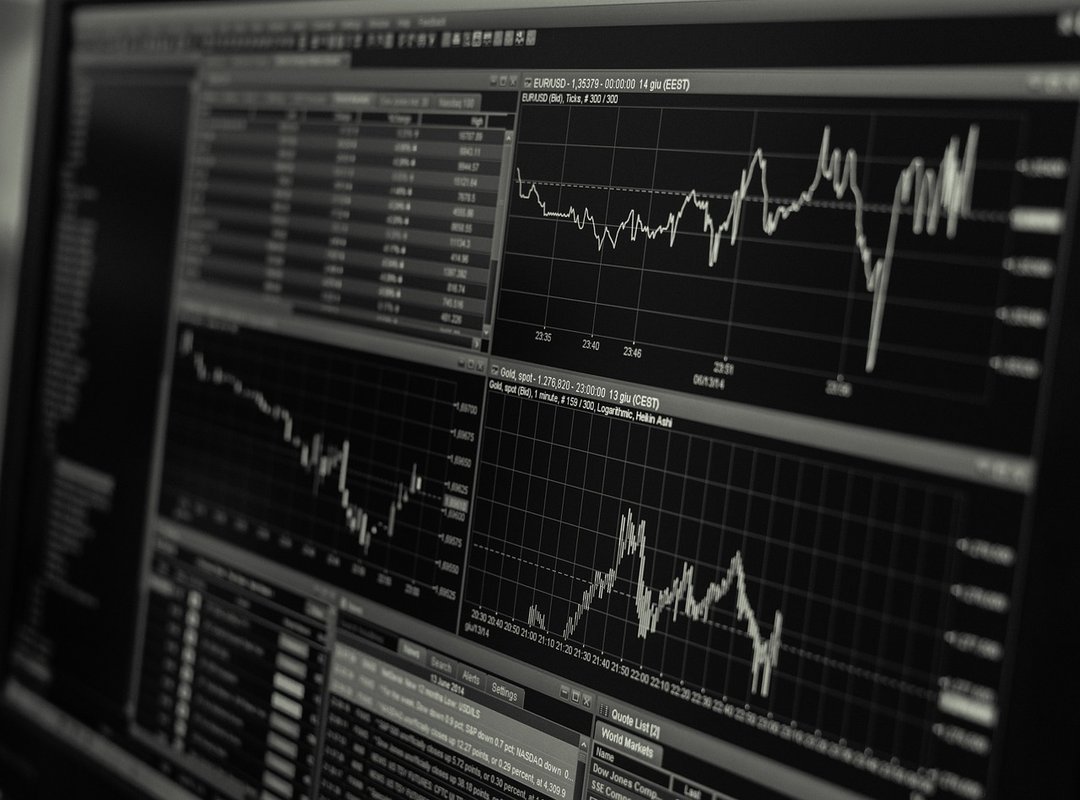
Currency values, like the Peso and the Colón, rise and fall based on supply and demand in the global market. Simple as that.
When more Mexicans travel to Costa Rica, the demand for Colones increases. This can potentially strengthen the Colón against the Peso. For example, 6000 pesos mexicanos a colones might get you more or less depending on the tourist season.
Economic health plays a big role too. Factors like inflation, interest rates, and GDP growth in both Mexico and Costa Rica affect their respective currency’s strength. If one country has higher inflation, its currency tends to weaken.
Trade relations also matter. A strong trade relationship and flow of goods between the two countries can influence currency demand and stability. When trade is booming, both currencies benefit.
Political stability is another key factor. Investors prefer stable countries, and political uncertainty can cause a currency’s value to drop. So, if there’s unrest in either country, it can impact the exchange rate.
Understanding these factors can help you make better decisions when dealing with the Peso to Colón exchange rate.
Key Takeaways for a Smart Currency Exchange
Always check the mid-market rate online before you exchange money to know what a ‘good’ rate looks like. For larger amounts, plan ahead and use a reputable online service. For smaller, immediate needs, compare local banks or exchange houses.
Always ask for the final amount you will receive after all fees and commissions are deducted. This ensures transparency and helps you avoid unexpected costs.
Avoid exchanging currency at airports or hotel desks whenever possible. These places often offer less favorable rates and higher fees. 6000 pesos mexicanos a colones can be significantly impacted by where and how you choose to exchange.
 Stephenic Uhligsodans has opinions about digital asset investment strategies. Informed ones, backed by real experience — but opinions nonetheless, and they doesn't try to disguise them as neutral observation. They thinks a lot of what gets written about Digital Asset Investment Strategies, Blockchain Mechanics and Protocols, Expert Insights is either too cautious to be useful or too confident to be credible, and they's work tends to sit deliberately in the space between those two failure modes.
Reading Stephenic's pieces, you get the sense of someone who has thought about this stuff seriously and arrived at actual conclusions — not just collected a range of perspectives and declined to pick one. That can be uncomfortable when they lands on something you disagree with. It's also why the writing is worth engaging with. Stephenic isn't interested in telling people what they want to hear. They is interested in telling them what they actually thinks, with enough reasoning behind it that you can push back if you want to. That kind of intellectual honesty is rarer than it should be.
What Stephenic is best at is the moment when a familiar topic reveals something unexpected — when the conventional wisdom turns out to be slightly off, or when a small shift in framing changes everything. They finds those moments consistently, which is why they's work tends to generate real discussion rather than just passive agreement.
Stephenic Uhligsodans has opinions about digital asset investment strategies. Informed ones, backed by real experience — but opinions nonetheless, and they doesn't try to disguise them as neutral observation. They thinks a lot of what gets written about Digital Asset Investment Strategies, Blockchain Mechanics and Protocols, Expert Insights is either too cautious to be useful or too confident to be credible, and they's work tends to sit deliberately in the space between those two failure modes.
Reading Stephenic's pieces, you get the sense of someone who has thought about this stuff seriously and arrived at actual conclusions — not just collected a range of perspectives and declined to pick one. That can be uncomfortable when they lands on something you disagree with. It's also why the writing is worth engaging with. Stephenic isn't interested in telling people what they want to hear. They is interested in telling them what they actually thinks, with enough reasoning behind it that you can push back if you want to. That kind of intellectual honesty is rarer than it should be.
What Stephenic is best at is the moment when a familiar topic reveals something unexpected — when the conventional wisdom turns out to be slightly off, or when a small shift in framing changes everything. They finds those moments consistently, which is why they's work tends to generate real discussion rather than just passive agreement.