
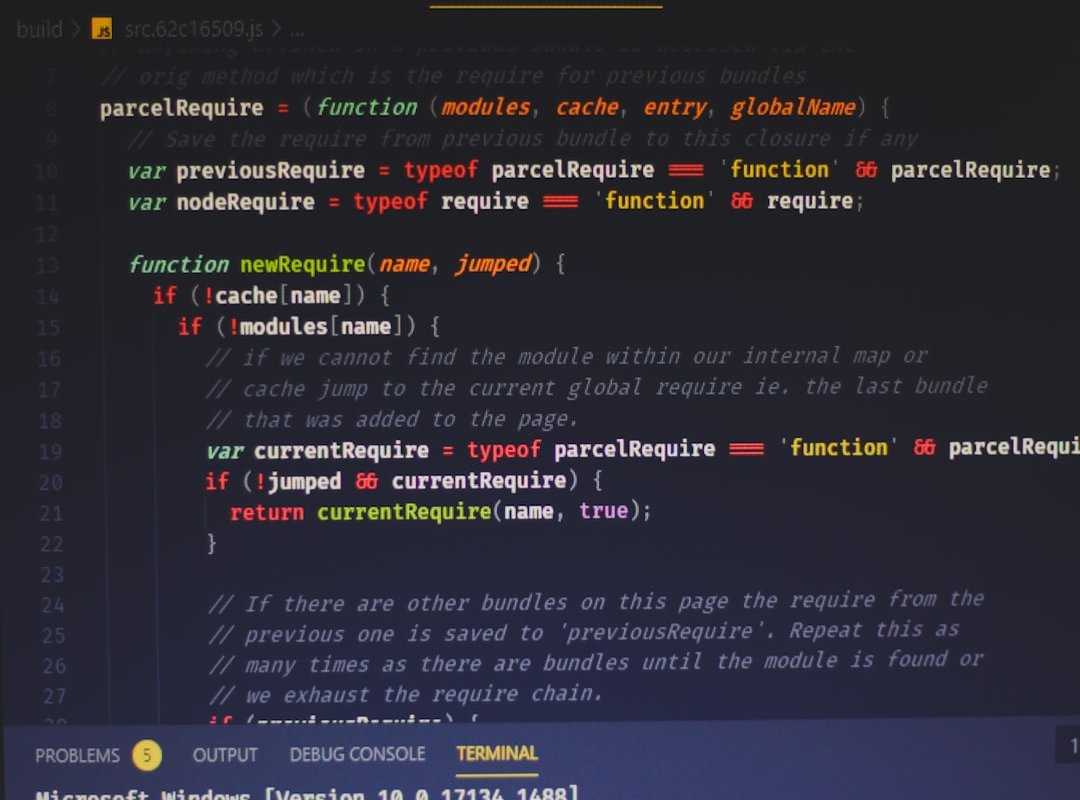
Smart contracts are supposed to make our lives easier, right? Yet, they often stumble when faced with real-world complexity. That’s frustrating.
You need a smart contracts guide that cuts through the noise. I’m here to offer a practical overview of intelligent contract systems that tackles their rigidity head-on. With a deep dive into evolving blockchain protocols and digital asset mechanics, this isn’t just theory.
It’s actionable insight.
Why trust this guide? I’ve kept my ear to the ground on the latest in digital assets and decentralized finance. No fluff, no hype.
Just straightforward explanations. You’ll learn what these systems are, how they operate, and what they mean for your business. By the end, you’ll see how understanding this evolution could be a game changer for anyone eyeing future-facing technology.
Let’s start unraveling these contracts.
The Leap Forward: Smart Contracts to Intelligent Systems
Here’s a quick refresher. Traditional smart contracts are like vending machines. You put in your money, press a button, and out comes your snack.
No fuss, no questions, just a simple if-this-then-that execution. They’re digital agreements stored on a blockchain, doing exactly what they’re programmed to do. But here’s the kicker: they can’t handle nuance or learn from new data.
It’s like asking your vending machine to suggest a snack based on your mood. Impossible, right?
Enter intelligent contract systems. These are the next step. Imagine contracts that can adapt and make decisions based on changing inputs.
They’re self-executing agreements enhanced with AI and external data feeds. This means they can understand complex situations and make data-driven decisions. The difference is night and day.
We’re moving from rigid, pre-programmed logic to an era where contracts think for themselves.
Why does this matter? Because traditional smart contracts can’t operate outside their strict code. They can’t handle unexpected changes or new information, which limits their usefulness.
Intelligent systems, on the other hand, can. They evolve, adapt, and learn.
Curious about how understanding blockchain consensus mechanisms fits into this? It’s key for making these intelligent systems work smoothly. In this smart contracts guide, we see the future of contracts transforming from static tools to changing systems.
It’s a leap forward we can’t ignore.
Anatomy of an Intelligent Contract: Core Components
to intelligent contracts (what) makes them tick? First up, Artificial Intelligence (AI) & Machine Learning (ML). Think of AI and ML as the “brain” of these contracts.
They don’t just follow instructions; they learn and adapt. Ever wonder how they do that? ML models analyze complex datasets.
They predict outcomes, assess risk, and even improve parameters within the contract. All without breaking a sweat. It’s way beyond simple binary logic.
Next, let’s talk about Advanced & Decentralized Oracles. These are the “senses” of the contract. Regular smart contracts might just use a single price feed.
But intelligent contracts? They need continuous, verified, tamper-resistant data streams. This means pulling in data from IoT sensors, market sentiment, weather data (all) that jazz.
It’s about getting a full picture of the world outside. You won’t find this in regular smart contracts.
Finally, there’s Changing Execution Logic. Compare this to the static code you see in standard smart contracts. An intelligent contract’s rules can evolve.
They adapt based on the data they receive. This allows them to handle unforeseen circumstances without manual intervention. Sounds important, right?
For a deeper dive into how these contracts operate, check out this detailed guide. It’s loaded with takeaways.
In short, intelligent contracts aren’t just a tech fad. They’re a game-changer. If you’re exploring the world of blockchain, a smart contracts guide is your map.
Get familiar, or get left behind.
Smart Contracts Guide: Where Intelligent Contracts Shine
Let’s talk real-world impact. Adaptive Decentralized Finance (DeFi) is a game-changer. Imagine a lending protocol that doesn’t stick to one formula. It uses intelligent contracts to adjust interest rates and collateral requirements based on real-time market volatility and your risk profile.
Exciting, right? It’s like having a financial advisor who never sleeps.
Now, think about Automated Supply Chain Management. Here’s where intelligent contracts flex their muscles. They manage shipments by adjusting logistics on the fly.
They use live weather and traffic data (you know, from oracles) to reroute cargo and release payments as milestones are met. This isn’t just efficiency; it’s a whole new way of doing business.
And what about Parametric Insurance? Farmers, rejoice. No more lengthy claims processes.
An intelligent contract uses satellite imagery and weather data to verify a drought’s severity. It then triggers an instant payout. This isn’t just innovation; it’s a lifeline for those who depend on the land.
Digital Asset Management is another area ripe for transformation. Intelligent contracts can automate investment strategies. They rebalance portfolios based on complex market signals and trend analysis.
Forget those pre-set price triggers that feel so last year. This is investing with a futuristic twist.
As these systems evolve, the implications are huge. Are you ready for it? If you want to dive deeper into how blockchain mechanics and protocols work, you might want to learn more.
The future is here, and it’s powered by intelligent contracts. It’s not just about technology; it’s about rethinking what’s possible.
Balancing Potential with Pragmatism: Benefits and Challenges
In the world of blockchain, the smart contracts guide offers a peek into a future of hyper-efficiency. Imagine drastically reduced disputes and administrative overhead. That’s the potential here.
Smart contracts automate complex, multi-party agreements with precision. But, as with anything promising, there’s a catch (or several).
First, let’s talk benefits. The allure of smart contracts lies in their efficiency. They cut out middlemen and speed up processes.
Who doesn’t want that? You also save on costs (fewer) disputes mean fewer legal fees. Plus, the automation of complex agreements is like having a personal assistant who never sleeps.
Now, the challenges. The ‘black box’ problem of AI is real. Decisions made by these systems can be hard to audit.
This lack of transparency is a headache waiting to happen. Then there’s the increased complexity. New security vulnerabilities pop up like weeds.
Relying on accurate and secure oracle data is another hurdle. If the data isn’t spot on, the whole system’s in jeopardy.
And let’s not forget the legal side. Current frameworks don’t quite fit these adaptive agreements. We’re in new territory here.
The laws need to catch up, or we’ll be stuck in a legal quagmire. It’s a balancing act. Potential meets pragmatism, and we need both to move forward.
So, where do you stand? Is the promise worth the pitfalls? It’s a question we all need to answer as we tread this path.
Your Path to Tomorrow’s Solutions
We’re staring down a world that craves digital agreements capable of handling life’s chaos. intelligent contract systems step in. They’re not just a fix. They’re the future.
By weaving AI with changing data, these systems have the power to change everything from banking to shipping. Sure, the tech isn’t flawless yet, but its potential is massive.
Feeling the pressure to keep up? Dive into the smart contracts guide. Explore the blockchain protocols breaking new ground, or get savvy with digital asset strategies.
These are your keys to staying ahead. At etrscrypto.net, you’ll find the takeaways you need (because no one likes being left in the dust). Don’t wait.
Dive in today.
 There is a specific skill involved in explaining something clearly — one that is completely separate from actually knowing the subject. Havros Tyvonder has both. They has spent years working with etrs token utility models in a hands-on capacity, and an equal amount of time figuring out how to translate that experience into writing that people with different backgrounds can actually absorb and use.
Havros tends to approach complex subjects — ETRS Token Utility Models, Crypto Wallet Setup Tips, Expert Insights being good examples — by starting with what the reader already knows, then building outward from there rather than dropping them in the deep end. It sounds like a small thing. In practice it makes a significant difference in whether someone finishes the article or abandons it halfway through. They is also good at knowing when to stop — a surprisingly underrated skill. Some writers bury useful information under so many caveats and qualifications that the point disappears. Havros knows where the point is and gets there without too many detours.
The practical effect of all this is that people who read Havros's work tend to come away actually capable of doing something with it. Not just vaguely informed — actually capable. For a writer working in etrs token utility models, that is probably the best possible outcome, and it's the standard Havros holds they's own work to.
There is a specific skill involved in explaining something clearly — one that is completely separate from actually knowing the subject. Havros Tyvonder has both. They has spent years working with etrs token utility models in a hands-on capacity, and an equal amount of time figuring out how to translate that experience into writing that people with different backgrounds can actually absorb and use.
Havros tends to approach complex subjects — ETRS Token Utility Models, Crypto Wallet Setup Tips, Expert Insights being good examples — by starting with what the reader already knows, then building outward from there rather than dropping them in the deep end. It sounds like a small thing. In practice it makes a significant difference in whether someone finishes the article or abandons it halfway through. They is also good at knowing when to stop — a surprisingly underrated skill. Some writers bury useful information under so many caveats and qualifications that the point disappears. Havros knows where the point is and gets there without too many detours.
The practical effect of all this is that people who read Havros's work tend to come away actually capable of doing something with it. Not just vaguely informed — actually capable. For a writer working in etrs token utility models, that is probably the best possible outcome, and it's the standard Havros holds they's own work to.