
The phrase torera virgen is one of those evocative and unusual terms that sparks curiosity. It’s not something you hear every day, but it carries a lot of cultural and symbolic weight.
This term might be unfamiliar to many, but it has deep roots in Spanish culture.
In this article, I’ll explore the meaning, historical context, and artistic symbolism of the virgin bullfighter.
By the end, you’ll have a clear understanding of this powerful archetype and its place within the world of bullfighting and Spanish culture.
What Does ‘Torera Virgen’ Actually Mean?
Let’s break it down. Torera means a female bullfighter, and virgen means virgin. Simple, right?
But there’s more to it.
Bullfighting has always been a hyper-masculine domain. The idea of a woman stepping into the ring was, and still is, a big deal. It challenges the norms and stirs up a lot of controversy.
Women in bullfighting have faced a lot of pushback. Bans, societal disapproval, you name it. They’ve had to fight not just the bulls but also the expectations and prejudices of their time.
Now, add the word virgen. It brings in themes of purity, sacrifice, or even defiance against those expectations. It’s like saying, “I’m not just here; I’m here on my own terms.”
The term torera virgen isn’t something you’ll hear in the bullring. It’s more of a symbolic or artistic concept. It captures the struggle and the strength of women who dared to enter this traditionally male-dominated arena.
A Powerful Symbol of Innocence and Danger
The words virgen and torera create a striking contrast. One evokes purity and innocence, while the other brings to mind the violence and danger of the bullring.
This juxtaposition forms a compelling archetype. It’s like a sacred figure in a profane space, embodying the ultimate sacrifice.
Defiance is a key theme here. The torera virgen challenges not just the dangers of the bull but also the rigid gender roles of society.
Think about it. This figure is both a warrior and a maiden, a sacrificial lamb with a uniquely Spanish twist.
The tension between life and death, beauty and brutality, is at the heart of this archetype. These themes are central to the bullfight itself.
It’s a powerful image that resonates deeply, reflecting broader cultural motifs. But it’s also a reminder of the complex and often conflicting forces at play in our lives. torera virgen
How the Virgin Bullfighter Appears in Art and Culture

The torera virgen archetype has been a fascinating subject in Spanish and Latin American art, literature, and film. It’s not just about a woman in a bullring; it’s a symbol loaded with deep cultural and religious meanings.
Artists often depict this figure to emphasize themes of divinity, tragedy, or empowerment. Imagine a painter using soft, ethereal lighting to highlight the torera’s serene face, surrounded by the chaos of the bullfight. The contrast speaks volumes.
In Spanish Catholicism, the torera virgen can be seen as a modern-day embodiment of the Virgin Mary. Both figures embody purity, strength, and a kind of divine grace. This connection is not accidental.
It taps into a long tradition of veneration and respect.
Storytellers use the torera virgen to explore complex ideas about national identity, faith, and feminism. In a film, for example, a torera might stand alone in the ring, facing both the bull and the judgmental crowd. Her struggle mirrors the broader fight for women’s rights and acceptance.
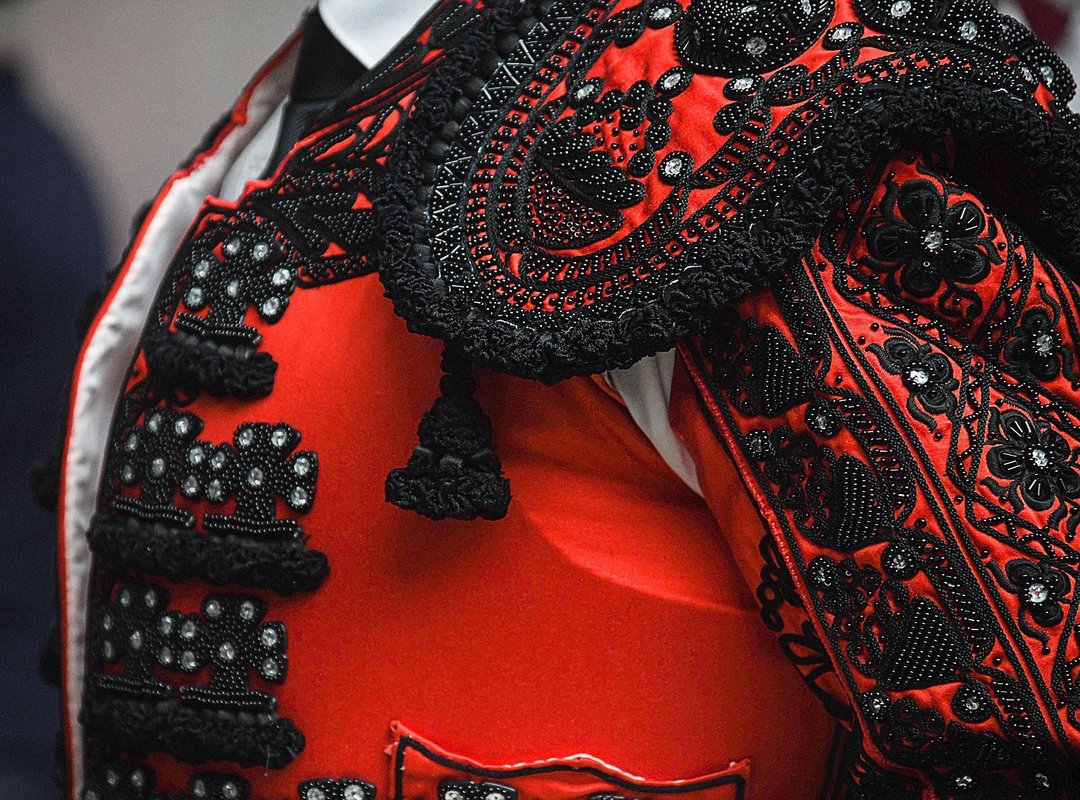
The visual elements are key. The ornate traje de luces (suit of lights) on a female form amplifies the symbolic meaning. It’s not just a costume; it’s a statement.
The shimmering gold and silver, the intricate embroidery—these details transform the torera into a figure of both beauty and power.
CAPS: The torera virgen is more than a character. She’s a reflection of a society grappling with its past and future.
Pioneering Women Who Embodied the Archetype’s Spirit
Let’s move from the symbolic to the real. Cristina Sánchez is a name that stands out. She reached the highest level of bullfighting before retiring due to sexism from her male peers.
She embodied the torera virgen archetype with her defiance and courage.
Other historical figures like Conchita Cintrón and Angela Hernandez also broke barriers. They faced immense societal pressure, becoming symbols in their own right.
Their real-world struggles and triumphs connect back to the core themes of the torera virgen: strength, sacrifice, and challenging the status quo. These women didn’t just fight bulls; they fought an entire system that tried to keep them down.
The Enduring Legacy of a Complex Symbol
torera virgen is far more than a literal phrase; it is a rich cultural archetype packed with meaning. This concept embodies the tension between purity and peril, challenging traditional norms. It also intertwines the sacred and the profane, creating a multifaceted symbol.
Understanding torera virgen offers a deeper insight into the complexities of bullfighting and Spanish cultural identity. This powerful image continues to resonate in conversations about gender, art, and tradition, inviting us to explore its enduring significance.
 Stephenic Uhligsodans has opinions about digital asset investment strategies. Informed ones, backed by real experience — but opinions nonetheless, and they doesn't try to disguise them as neutral observation. They thinks a lot of what gets written about Digital Asset Investment Strategies, Blockchain Mechanics and Protocols, Expert Insights is either too cautious to be useful or too confident to be credible, and they's work tends to sit deliberately in the space between those two failure modes.
Reading Stephenic's pieces, you get the sense of someone who has thought about this stuff seriously and arrived at actual conclusions — not just collected a range of perspectives and declined to pick one. That can be uncomfortable when they lands on something you disagree with. It's also why the writing is worth engaging with. Stephenic isn't interested in telling people what they want to hear. They is interested in telling them what they actually thinks, with enough reasoning behind it that you can push back if you want to. That kind of intellectual honesty is rarer than it should be.
What Stephenic is best at is the moment when a familiar topic reveals something unexpected — when the conventional wisdom turns out to be slightly off, or when a small shift in framing changes everything. They finds those moments consistently, which is why they's work tends to generate real discussion rather than just passive agreement.
Stephenic Uhligsodans has opinions about digital asset investment strategies. Informed ones, backed by real experience — but opinions nonetheless, and they doesn't try to disguise them as neutral observation. They thinks a lot of what gets written about Digital Asset Investment Strategies, Blockchain Mechanics and Protocols, Expert Insights is either too cautious to be useful or too confident to be credible, and they's work tends to sit deliberately in the space between those two failure modes.
Reading Stephenic's pieces, you get the sense of someone who has thought about this stuff seriously and arrived at actual conclusions — not just collected a range of perspectives and declined to pick one. That can be uncomfortable when they lands on something you disagree with. It's also why the writing is worth engaging with. Stephenic isn't interested in telling people what they want to hear. They is interested in telling them what they actually thinks, with enough reasoning behind it that you can push back if you want to. That kind of intellectual honesty is rarer than it should be.
What Stephenic is best at is the moment when a familiar topic reveals something unexpected — when the conventional wisdom turns out to be slightly off, or when a small shift in framing changes everything. They finds those moments consistently, which is why they's work tends to generate real discussion rather than just passive agreement.