If you’re searching for clear, actionable insights on crypto trendwatch, blockchain mechanics, and smarter digital asset strategies, you’re in the right place. The crypto landscape moves fast—protocol upgrades, token model shifts, and market cycles can change investment outcomes almost overnight. This article is designed to cut through the noise and focus on what actually matters: how blockchain systems function, how token economies are structured, and how to position yourself strategically within them.
We break down complex concepts like governance token structure, utility design, and wallet setup best practices into practical guidance you can apply immediately. Every insight is grounded in real market analysis, on-chain data observation, and a deep understanding of evolving protocol mechanics.
Whether you’re evaluating a new digital asset, refining your portfolio strategy, or exploring token utility models, this guide will help you make informed, confident decisions in an increasingly competitive crypto environment.
Building a Resilient Protocol: Your Guide to Token Governance
Designing governance that lasts means more than shipping code. It requires a clear governance token structure that balances power, incentives, and accountability. Start by defining voting rights (who decides what), quorum thresholds (how much participation counts), and upgrade paths. Stress-test proposals with simulations before launch.
Some argue decentralization slows innovation. Fair. But unchecked control breeds fragility and forks. Resilience comes from transparency, staggered token releases, and dispute mechanisms.
What’s next? Model treasury sustainability, delegate education, and voter incentives. Pro tip: audit governance like code. Then revisit metrics quarterly to prevent stagnation.
The Foundation: What is Token Governance and Why Does It Matter?
By leveraging governance tokens, decentralized communities can not only enhance participation in decision-making but also create a more resilient ecosystem, as explored in depth in our article on Etrscrypto.
Token governance is the system of rules, processes, and digital tools that let token holders collectively manage a decentralized protocol. In simple terms, it’s how a blockchain community votes on decisions—everything from software upgrades to treasury spending. Think of it as shareholder voting, but executed on-chain and visible to anyone (yes, transparency by default).
At its best, governance aligns incentives between developers, investors, and users, pushing everyone toward one shared outcome: long-term network success. That alignment is the real benefit. When stakeholders have a voice, they’re more likely to stay engaged, contribute ideas, and support growth.
However, critics argue that token voting just creates plutocracy—rule by whales. And they’re not wrong; poor design can concentrate power or cause voter apathy. Low turnout can stall critical upgrades, leaving protocols outdated.
That’s why strong governance token structure matters. Done right, it creates a decentralized, transparent, and efficient system that adapts quickly—so your assets aren’t stuck in the blockchain equivalent of dial-up internet.
The Three Pillars of a Robust Governance Framework
A strong governance token structure doesn’t happen by accident. It’s built on three pillars that determine how ideas surface, how decisions get made, and how money moves. When these pillars are thoughtfully designed, everyone benefits—from small token holders to major stakeholders.
Pillar 1: Proposal Systems – The Gateway to Change
First, proposal systems define who can submit ideas and how those ideas evolve. Many protocols require a minimum token threshold to prevent spam (otherwise, it’s like letting everyone grab the mic at once). Typically, an idea moves from forum discussion to formal review and finally to an on-chain vote.
The benefit? Clarity and efficiency. Clear submission rules reduce noise while structured debate improves proposal quality. Critics argue that token thresholds exclude smaller holders. That’s fair. However, well-calibrated limits protect the system from governance fatigue and malicious flooding—preserving long-term stability for all participants.
Pillar 2: Voting Mechanisms – How Decisions Are Made
Next comes voting. Coin Voting (1 token, 1 vote) is simple but risks centralization. Large holders can dominate outcomes. Alternatives like Quadratic Voting (where voting power grows by the square root of tokens) or delegated voting (liquid democracy) help balance influence.
For token holders, this means fairer representation and stronger community alignment. While some say complex systems confuse users, thoughtful design and education can make advanced voting intuitive—and more equitable.
Pillar 3: Treasury Management – Controlling the Community’s Capital
Finally, treasury management governs shared funds. Whether through multi-sig wallets or fully on-chain DAO tooling, the treasury finances development, grants, and ecosystem growth.
The upside is tangible: transparent spending builds trust, and strategic allocation fuels innovation. Pro tip: Always review treasury reporting dashboards before voting on major funding proposals. In the end, good governance isn’t just structure—it’s shared ownership with real upside.
On-Chain vs. Off-Chain: Finding the Right Balance
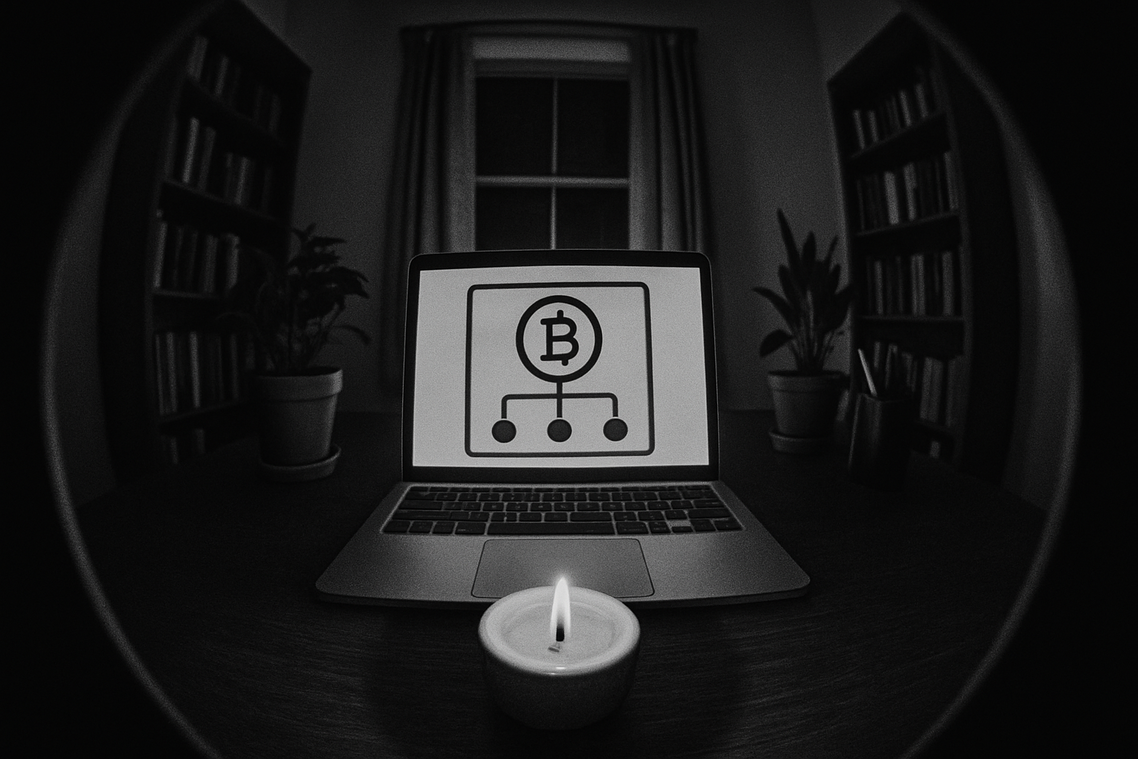
First, let’s clarify the basics. On-chain governance means votes are recorded directly on the blockchain, and results are executed automatically by smart contracts (self-running code that enforces rules). This approach is transparent and trustless—anyone can verify outcomes. However, it can be expensive due to gas fees, slower during network congestion, and rigid once deployed. As a result, voter participation often drops when casting a ballot costs real money.
In contrast, off-chain governance happens on platforms like Snapshot, Discourse, or Discord. These systems allow token holders to signal preferences without paying transaction fees. Consequently, discussions are broader and more flexible. The tradeoff? Execution usually depends on a core team or multi-sig wallet, introducing trust assumptions.
So what should you do? Start by reviewing a protocol’s governance token structure. If major upgrades require immediate on-chain votes, expect higher costs but stronger automation. If most decisions happen off-chain, check who controls final execution.
For example, many DAOs run temperature checks on Snapshot first, then escalate critical proposals to binding on-chain votes. This hybrid approach balances efficiency with security.
Before participating, test the process with a small vote. Also, understand token incentives—see staking utility tokens incentives and risks explained (https://etrscrypto.net/staking-utility-tokens-incentives-and-risks-explained/) for deeper context.
A Practical Launch Plan: From Concept to Community Control
I once helped launch a small protocol that thought decentralization meant “flip the switch and hope.” It didn’t end well. Start with an anecdote about overconfidence, because that’s where most governance failures begin.
Step 1: Draft Your Constitution. Think of this as your project’s social contract—a plain‑English document defining scope, voter rights, and participation rules. A constitution is simply a shared rulebook everyone can reference when debates get heated (and they will). Clarity beats cleverness.
Step 2: Select Your Tooling. Your stack might include Discourse for discussion, Snapshot (a gasless voting tool, meaning no transaction fees to cast ballots), and a Gnosis Safe multi‑sig for treasury execution. A multi‑sig requires multiple approvals before funds move—like needing several keys to launch the rocket.
Some argue tooling doesn’t matter—“community is everything.” I disagree. Poor infrastructure kills momentum (ask any gamer who’s rage‑quit over server lag).
Step 3: Implement Progressive Decentralization. Start core‑team led, then transition control using a governance token structure. Gradual handoffs build competence and trust.
Step 4: Educate and Empower. Documentation, walkthroughs, and proposal templates turn lurkers into voters. Pro tip: host mock votes before real treasury decisions.
Decentralization isn’t a moment. It’s a muscle.
Your Next Steps in Building a Decentralized Future
You now have the blueprint. In my view, most projects fail not because the tech is weak, but because their governance token structure is an afterthought (and communities can smell that a mile away). A hybrid model with progressive decentralization isn’t just practical—it’s realistic. Critics argue decentralization should be “full and immediate.” I disagree. That’s idealistic, not strategic. Even Ethereum evolved over time (Rome wasn’t built in a block).
Start drafting your constitution now.
Open debate early.
Refine voting rights clearly.
Pro tip: Document everything publicly. Transparency builds momentum—and momentum builds belief.
Stay Ahead in Crypto Trendwatch
You came here to better understand crypto trendwatch, blockchain mechanics and protocols, smarter digital asset investment strategies, ETRS token utility models, and secure wallet setup tips. Now you have a clearer, more practical view of how these pieces fit together—and how they directly impact your portfolio decisions.
The crypto market moves fast, and the real pain point isn’t just volatility—it’s uncertainty. Not knowing which trends are sustainable, how token mechanics actually work, or whether your assets are structured and stored properly can cost you opportunities and capital. Understanding token utility, protocol design, and governance token structure gives you an edge most investors never develop.
The next step is simple: apply what you’ve learned. Review your current holdings, reassess your wallet security, and evaluate whether the projects you’re invested in have strong fundamentals and sustainable token models.
If you’re serious about navigating crypto with clarity instead of guesswork, tap into expert-backed insights trusted by a growing community of digital asset investors. Get the latest trend analysis, actionable strategy breakdowns, and practical wallet guidance now—so you can make smarter moves before the next market shift hits.
 Stephenic Uhligsodans has opinions about digital asset investment strategies. Informed ones, backed by real experience — but opinions nonetheless, and they doesn't try to disguise them as neutral observation. They thinks a lot of what gets written about Digital Asset Investment Strategies, Blockchain Mechanics and Protocols, Expert Insights is either too cautious to be useful or too confident to be credible, and they's work tends to sit deliberately in the space between those two failure modes.
Reading Stephenic's pieces, you get the sense of someone who has thought about this stuff seriously and arrived at actual conclusions — not just collected a range of perspectives and declined to pick one. That can be uncomfortable when they lands on something you disagree with. It's also why the writing is worth engaging with. Stephenic isn't interested in telling people what they want to hear. They is interested in telling them what they actually thinks, with enough reasoning behind it that you can push back if you want to. That kind of intellectual honesty is rarer than it should be.
What Stephenic is best at is the moment when a familiar topic reveals something unexpected — when the conventional wisdom turns out to be slightly off, or when a small shift in framing changes everything. They finds those moments consistently, which is why they's work tends to generate real discussion rather than just passive agreement.
Stephenic Uhligsodans has opinions about digital asset investment strategies. Informed ones, backed by real experience — but opinions nonetheless, and they doesn't try to disguise them as neutral observation. They thinks a lot of what gets written about Digital Asset Investment Strategies, Blockchain Mechanics and Protocols, Expert Insights is either too cautious to be useful or too confident to be credible, and they's work tends to sit deliberately in the space between those two failure modes.
Reading Stephenic's pieces, you get the sense of someone who has thought about this stuff seriously and arrived at actual conclusions — not just collected a range of perspectives and declined to pick one. That can be uncomfortable when they lands on something you disagree with. It's also why the writing is worth engaging with. Stephenic isn't interested in telling people what they want to hear. They is interested in telling them what they actually thinks, with enough reasoning behind it that you can push back if you want to. That kind of intellectual honesty is rarer than it should be.
What Stephenic is best at is the moment when a familiar topic reveals something unexpected — when the conventional wisdom turns out to be slightly off, or when a small shift in framing changes everything. They finds those moments consistently, which is why they's work tends to generate real discussion rather than just passive agreement.