Crypto markets are evolving faster than ever, and staying ahead now requires more than just tracking prices. Investors and builders alike are searching for clear insights into crypto trendwatch, blockchain mechanics and protocols, digital asset investment strategies, token utility models, and secure wallet setup practices. This article is designed to meet that need—breaking down complex developments into actionable, easy‑to‑apply guidance.
One of the biggest shifts shaping the market today is ai crypto integration, transforming everything from automated trading systems to on‑chain analytics and smart contract optimization. Understanding how these technologies intersect is no longer optional for serious participants.
Our analysis is grounded in continuous market monitoring, protocol research, and real-world application testing across wallets and digital asset ecosystems. By combining technical breakdowns with practical investment context, this guide helps you cut through hype, identify meaningful trends, and make smarter decisions in an increasingly data-driven crypto landscape.
Smart Moves for Navigating Crypto Right Now
If you’re serious about building wealth in digital assets, stop dabbling and start systemizing. The crypto market rewards strategy, not vibes (yes, even if Crypto Twitter swears otherwise).
First, define your foundation. Blockchain protocols are the underlying rulebooks that govern how transactions are validated and recorded. Think of them like operating systems for decentralized networks. Before investing in any token, understand the protocol it runs on and what problem it solves. If you can’t explain it simply, you probably shouldn’t buy it.
Second, prioritize real utility. Tokens with clear use cases—governance, staking, transaction fees—tend to outperform hype cycles over time (CoinMarketCap data consistently shows utility-driven ecosystems maintaining longer-term volume stability).
Third, explore ai crypto integration opportunities carefully. AI-enhanced trading analytics and smart contract automation are expanding fast, but don’t chase buzzwords. Look for transparent development roadmaps and active GitHub repositories (pro tip: consistent commits signal real progress).
Also, secure your assets properly. A non-custodial wallet means you control the private keys—the cryptographic password proving ownership. Hardware wallets reduce exchange risk dramatically (Chainalysis reports billions lost to exchange breaches over the past decade).
Recommendation: Focus on fundamentals, diversify across sectors (DeFi, infrastructure, AI-linked protocols), and rebalance quarterly. Discipline beats dopamine every time.
The Overlooked Edge in Crypto Trend Analysis
Most crypto platforms recycle the same headlines: Bitcoin cycles, ETF speculation, and the latest memecoin frenzy. That’s useful—but incomplete.
First, let’s define a few terms. Blockchain mechanics refer to how transactions are validated and recorded (think consensus models like Proof of Work or Proof of Stake). Token utility models describe how a digital asset actually functions inside its ecosystem—whether for governance, staking rewards, or access rights. And trendwatch isn’t hype tracking; it’s systematic monitoring of capital flows, developer activity, and protocol upgrades before they hit mainstream news.
Critics argue that deep protocol analysis is unnecessary. “Price action tells you everything,” they say. After all, markets are efficient—right? Not quite. According to Electric Capital’s Developer Report (2023), sustained developer growth often precedes ecosystem expansion. In other words, code commits today can hint at price momentum tomorrow.
Here’s the gap most competitors miss: the intersection of wallet behavior, token velocity, and ai crypto integration. When AI-driven analytics intersect with on-chain wallet clustering, you uncover patterns retail dashboards simply don’t show. (Yes, it’s a bit like seeing the chessboard instead of just the last move.)
Meanwhile, wallet setup strategy itself is overlooked. A non-custodial wallet—where you control private keys—reduces counterparty risk (a lesson many learned the hard way in 2022, per Chainalysis reports).
Pro tip: Track governance participation rates. Low turnout often signals disengaged communities—hardly bullish for long-term sustainability.
In short, price matters. But mechanics, participation, and infrastructure trends? That’s where the real edge lives.
Why Smarter Crypto Strategy Pays Off
The crypto market moves fast. Blink, and a trend becomes yesterday’s meme (remember when everyone thought every coin was “the next Bitcoin”?). But when you understand crypto trendwatch, blockchain mechanics, and digital asset strategy, you stop reacting—and start positioning.
So what’s in it for you?
Plenty.
Clearer decision-making. When you understand how blockchain protocols work (the rules that govern how a network operates and validates transactions), you’re less likely to fall for hype cycles. According to Chainalysis’ 2024 Crypto Adoption Report, informed investors were significantly more likely to hold diversified, longer-term positions rather than panic trade.
Stronger portfolio resilience. Instead of chasing volatility, you can:
- Identify high-utility tokens
- Evaluate real-world use cases
- Assess token supply mechanics
- Reduce exposure to unsustainable projects
Confidence with wallets and security. Proper wallet setup (choosing, configuring, and securing a crypto storage solution) dramatically lowers risk. Pro tip: always enable hardware-based or multi-factor authentication when possible.
Some argue crypto is too unpredictable to analyze strategically. And yes, volatility is real. But unpredictability doesn’t mean randomness. Data-driven approaches—especially with ai crypto integration—help surface patterns retail investors might otherwise miss.
The benefit? You move from guessing to evaluating.
And in crypto, that shift alone can protect your capital—and multiply your upside.
Practical Guide to Navigating Modern Crypto Strategies
Cryptocurrency can feel overwhelming at first. Between wallets, tokens, protocols, and market swings, it’s easy to wonder where to even begin. Let’s simplify it.
Blockchain is a decentralized digital ledger that records transactions across many computers. Think of it like a shared Google Sheet that no single person controls (except it’s secured by cryptography). A digital asset is any value stored electronically—Bitcoin and Ethereum are the most well-known examples.
One common question: Is it too late to invest in crypto? Critics argue the biggest gains are gone. And yes, early adopters saw explosive growth (Bitcoin’s price rose from under $1 in 2011 to over $60,000 at its peak in 2021, per CoinMarketCap data). But markets evolve. New sectors like ai crypto integration are expanding use cases beyond simple payments, blending artificial intelligence with decentralized finance tools.
If you’re starting out, focus on fundamentals:
- Set up a secure wallet (hardware wallets reduce hacking risk).
- Diversify across established and emerging tokens.
- Research token utility—does it solve a real problem?
Some skeptics say crypto is purely speculative. That can be true for certain projects (remember the 2022 collapse of TerraUSD, reported by Bloomberg). But strong protocols with clear governance and adoption metrics tell a different story.
Pro tip: Never invest more than you can afford to lose, and always enable two-factor authentication on exchanges.
The key isn’t chasing hype—it’s understanding the mechanics, evaluating real-world use, and building steadily. (Slow and strategic beats flashy and frantic every time.)
Navigating Crypto Trendwatch in Uncertain Times
Crypto moves fast. Sometimes too fast. One week a token surges on new utility claims; the next, it retraces just as dramatically. So let’s be honest: not every trend is easy to decode, and anyone claiming absolute certainty probably isn’t looking closely enough.
To start, crypto trendwatch refers to the ongoing analysis of market movements, emerging narratives, and capital flows within digital assets. It blends data tracking with behavioral observation (because markets, after all, are powered by people). For example, when Layer 2 scaling solutions gained traction in 2023, it wasn’t just about faster transactions—it was about investors betting on Ethereum’s long-term ecosystem growth (see Electric Capital Developer Report, 2023).
That said, some argue trendwatching is just noise. They believe long-term holding beats reacting to every shift. And they’re not entirely wrong. Overtrading based on headlines can erode returns through fees and poor timing. However, ignoring structural changes—like the rise of ai crypto integration in trading bots and protocol analytics—may mean missing transformative shifts altogether.
Still, there’s debate. Are AI-driven models genuinely predictive, or simply better at reacting faster than humans? The data is promising, but not definitive (CoinShares Digital Asset Fund Flows Report, 2024).
So where does that leave you? Somewhere balanced. Stay informed. Question bold claims. And remember: in crypto, humility is often a stronger strategy than hype.
Why I Believe AI Is Reshaping Crypto Faster Than We Admit
Let me be blunt: most people still underestimate how deeply AI is changing crypto markets. We talk about price swings and token launches, but the real shift is happening behind the scenes with ai crypto integration. And in my view, that’s where the smart money should be paying attention.
First, a quick definition. Blockchain protocols are the rulebooks that determine how transactions are verified and recorded. Token utility refers to the practical use of a digital asset within its ecosystem (governance votes, fee discounts, access rights, etc.). When AI systems start optimizing these mechanics—automating audits, detecting anomalies, refining trading strategies—we’re not just adding a feature. We’re upgrading the engine mid-flight.
Some argue this is overhyped. They say AI in crypto is just a buzzword slapped onto whitepapers to pump valuations. Honestly? Sometimes that’s true. We’ve all seen projects promise “AI-powered everything” with zero substance (cue dramatic trailer voice).
But dismissing it entirely is shortsighted.
Here’s where I stand:
- AI-driven analytics improve market signal detection.
- Automated smart contract monitoring reduces exploit risks.
- Adaptive token models can respond to user behavior in real time.
Pro tip: If a project claims AI capability, look for verifiable model use cases—not vague marketing language.
In my opinion, the winners in this cycle won’t just be faster chains or cheaper fees. They’ll be ecosystems that intelligently adapt. And that’s a different game altogether.
Navigating Crypto Trends Through Lived Experience
I still remember the first time I set up a crypto wallet. I triple-checked every character of the seed phrase, convinced one typo would send my funds into the digital abyss (not an irrational fear, by the way). That moment taught me something no whitepaper ever could: crypto is equal parts technology and temperament.
When people talk about blockchain, they often mean a decentralized ledger—a distributed database that records transactions across many computers. In practice, it feels less abstract. It’s watching a transaction confirm in real time and realizing no bank approved it. Just code.
Some argue digital assets are too volatile to take seriously. And yes, price swings can feel like a rollercoaster designed by someone who hates sleep. But volatility doesn’t equal lack of value. Amazon lost over 90% of its value during the dot-com crash before becoming a trillion-dollar company (CNBC, 2018).
What changed my perspective was exploring ai crypto integration in emerging protocols. Seeing artificial intelligence optimize trading strategies and risk modeling made the ecosystem feel less speculative and more infrastructural.
Pro tip: Start small. Test wallets, experiment with minor transactions, and document what you learn.
If you’re new, resources like CoinMarketCap help track market data and token metrics.
Crypto isn’t just charts. It’s hands-on learning—sometimes messy, often exciting, always evolving.
The Overlooked Edge in Today’s Crypto Landscape
Most crypto coverage rehashes price charts, ETF speculation, or the next halving cycle. Useful? Sure. Complete? Not even close.
What’s missing is structural insight—how emerging systems actually function beneath the hype. While others focus on surface-level volatility, a real competitive advantage comes from understanding protocol mechanics (the underlying rules that govern how a blockchain operates), token utility design (how and why a token holds functional value), and cross-chain interoperability (how different blockchains communicate).
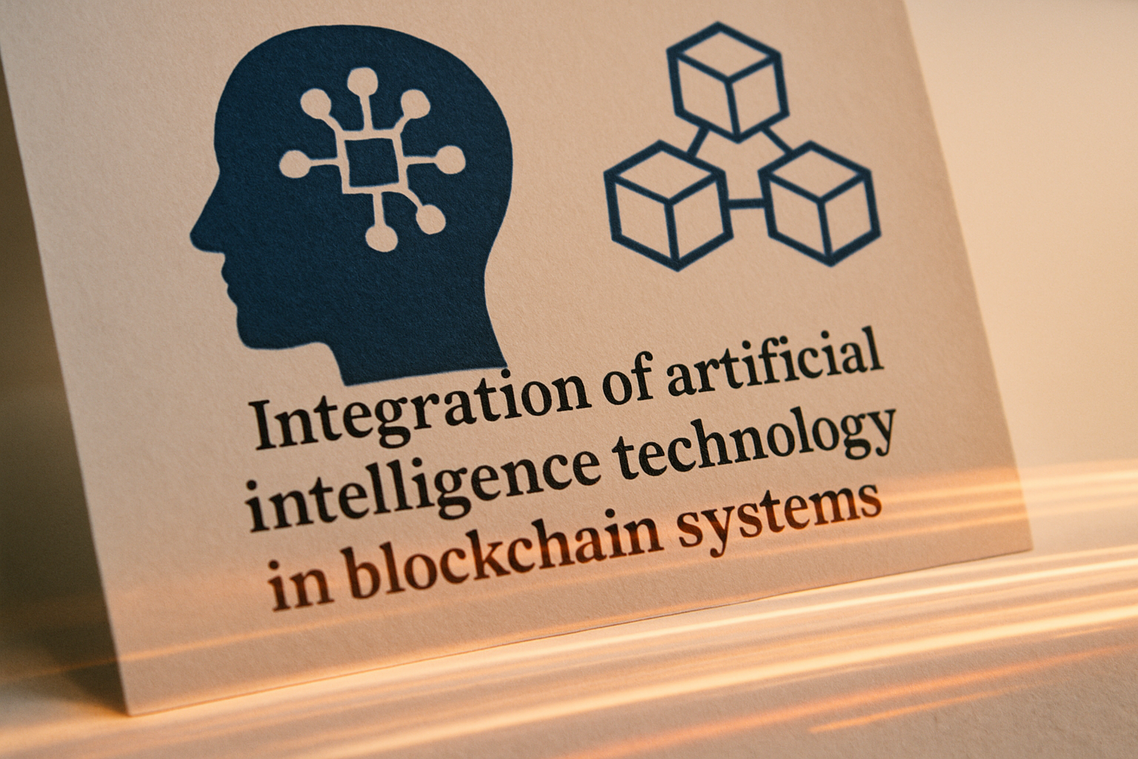
Take ai crypto integration, for example. Many analysts mention it as a buzzword. Few break down how AI models optimize liquidity routing or automate smart contract audits in real time. That’s not just innovation—that’s operational leverage.
Some argue that fundamentals don’t matter in a sentiment-driven market. After all, meme coins have outperformed blue-chip tokens in certain cycles (yes, Dogecoin proved that). But short-term speculation doesn’t replace long-term infrastructure growth. According to Electric Capital’s 2024 Developer Report, ecosystems with sustained developer activity correlate strongly with long-term network resilience.
For a broader macro view, review the top crypto market trends to watch this year and compare them against on-chain metrics—not headlines.
Pro tip: Track wallet creation rates alongside total value locked (TVL). When both rise together, it often signals genuine adoption—not just temporary hype.
The real edge? Seeing what others overlook—and acting before it’s obvious.
AI-Driven Crypto Strategies vs Traditional Crypto Approaches
When evaluating modern digital asset strategies, the real debate isn’t crypto vs no crypto. It’s AI-enhanced decision-making vs traditional manual analysis.
Let’s break it down clearly.
A: AI-Driven Crypto Strategy
Definition: AI-driven investing uses machine learning algorithms (systems that analyze large datasets to identify patterns) to detect trends, optimize trades, and manage risk automatically.
Pros:
- Rapid data processing across markets 24/7
- Pattern recognition humans may overlook
- Automated portfolio rebalancing
Cons:
- Overreliance on historical data
- Black-box decision-making (sometimes you don’t see why a trade happened)
A strong example is ai crypto integration, where predictive analytics are embedded directly into trading dashboards. This can surface momentum shifts before they trend on social platforms (yes, even before Crypto Twitter catches on).
B: Traditional Manual Strategy
Definition: Human-led analysis using chart patterns, on-chain metrics, and macro research.
Pros:
- Greater contextual awareness
- Flexibility during unexpected market events
Cons:
- Slower reaction time
- Emotional bias (fear and FOMO are undefeated villains)
Critics argue AI strips away intuition. That’s fair. But intuition without data can become guesswork. The smarter move? Compare tools side-by-side and decide which aligns with your risk tolerance and technical comfort level. Sometimes the edge isn’t choosing A or B—it’s knowing when each performs best.
Smarter Digital Asset Strategies with Practical Tools
The crypto market moves fast. Blink and a narrative shifts from Layer 2 scaling to tokenized real-world assets (RWAs—physical assets like real estate or commodities represented on-chain). That volatility is exactly why structured crypto trendwatch frameworks matter.
Some critics argue that detailed analytics and protocol breakdowns overcomplicate investing. “Just buy and hold Bitcoin,” they say. And yes, long-term holding has historically outperformed many active strategies (see historical return data from CoinMetrics and Glassnode reports). But ignoring blockchain mechanics—how a protocol validates transactions, manages supply, or incentivizes validators—means missing risk signals before they go mainstream.
Here’s where specific features translate into real benefits:
- Protocol deep dives: Understand consensus models (Proof of Stake vs. Proof of Work) so you can assess energy use, security trade-offs, and scalability potential.
- Token utility analysis: Evaluate whether a token has real demand drivers (governance, gas fees, staking rewards) instead of hype cycles.
- Wallet setup guidance: Learn cold storage vs. hot wallet differences to reduce counterparty risk (FTX taught everyone that lesson).
Add ai crypto integration into portfolio monitoring, and you gain pattern recognition across price action, liquidity flows, and on-chain metrics—without staring at charts like it’s 2017.
Pro tip: Always cross-check token emissions schedules before investing. Inflation silently erodes returns (and it’s rarely in the marketing headline).
Where AI Meets Crypto: A Conversation Worth Having
“Is this just hype all over again?” a trader asked me during a recent roundtable.
It’s a fair question. Every cycle seems to come with a shiny new phrase. This time, it’s ai crypto integration—the blending of artificial intelligence tools with blockchain networks to automate analysis, trading, security, and protocol governance.
“I remember when DeFi was supposed to fix everything,” another investor said. “How is this different?”
Here’s the distinction: AI systems can process massive on-chain datasets in seconds, identifying wallet patterns, liquidity shifts, and sentiment signals humans would miss. According to a 2025 Deloitte blockchain survey, over 60% of financial firms are exploring AI-driven analytics for digital assets. That’s not fringe experimentation—that’s infrastructure planning.
Still, skeptics push back. “Automation increases risk if models fail,” one developer warned. He’s right. Poorly trained models can amplify bad trades at machine speed (and machines don’t panic—they cascade).
But proponents counter with practical gains: smarter fraud detection, adaptive yield strategies, and predictive gas optimization. That’s operational efficiency, not buzzwords.
The real takeaway? It’s not about replacing human judgment. It’s about augmenting it. As one portfolio manager put it, “AI doesn’t remove responsibility. It removes guesswork.”
Feeling the Pulse of the Crypto Market
Step into the world of crypto trendwatch and it doesn’t feel abstract—it feels electric. Charts flicker like neon city lights at midnight. Candlesticks stretch and snap in red and green, almost like you can hear them crack across the screen. The market hums 24/7 (yes, even at 3 a.m. when the rest of the world is asleep), and that constant motion is both thrilling and unnerving.
Blockchain mechanics may sound technical, but at its core, a blockchain is a distributed ledger—think of it as a digital notebook duplicated across thousands of computers. Every transaction clicks into place with cryptographic precision. According to IBM, blockchain’s decentralized structure increases transparency and security by design. You can almost feel that security like the solid clunk of a vault door closing.
Some argue crypto is too volatile to trust—and they’re right about the stomach-dropping swings. But volatility is also where opportunity lives. Digital asset investment strategies exist to manage that turbulence, not ignore it.
• Wallet setup tips matter because control feels different when you hold your own keys.
• ETRS token utility models give tokens function, not just flash.
And when ai crypto integration enters the scene, the market feels sharper, faster—like upgrading from a bicycle to a superbike overnight.
Why AI and Blockchain Convergence Deserves Your Attention
I’ll start with a quick story.
A year ago, I nearly dismissed a small-cap token tied to ai crypto integration because it sounded like buzzword soup (and we’ve all been burned by hype before). But after digging into the protocol mechanics and testing the wallet setup myself, I realized something: this wasn’t about flashy branding. It was about infrastructure.
Where the Real Shift Is Happening
AI, or artificial intelligence (systems that simulate human decision-making), is now being embedded directly into blockchain protocols—the rulebooks that determine how decentralized networks operate. Think automated risk scoring for DeFi lending or smart contracts that adjust fees dynamically based on network congestion.
Some critics argue this convergence is overhyped. They say blockchain should stay simple and that adding AI increases attack surfaces and technical debt. That’s fair. More complexity CAN mean more vulnerabilities.
But here’s what I’ve seen firsthand: projects that thoughtfully combine machine learning models with transparent on-chain verification are solving real inefficiencies. One portfolio allocation tool I tested cut research time in half by analyzing token velocity and liquidity trends automatically.
Pro tip: Always review the token utility model before investing—if AI is mentioned, confirm it’s embedded in the protocol, not just marketing copy.
The bottom line? This isn’t sci-fi. It’s infrastructure quietly evolving under our feet.
Where Crypto Is Headed Next (And How to Prepare)
If you’ve been tracking crypto trendwatch headlines, you already know the space moves fast. What’s less obvious is what happens next after the current wave of innovation settles.
Right now, three forces are converging: smarter blockchain mechanics and protocols, tighter regulatory oversight, and growing ai crypto integration across trading platforms and analytics tools. Blockchain mechanics refer to the underlying rules that validate transactions and secure networks. When these improve, scalability and cost efficiency usually follow (think Ethereum’s upgrades reducing gas fees).
Some critics argue the market is overheated again—that AI plus crypto sounds like another buzzword cycle. They have a point. Hype has burned investors before (remember the 2021 NFT mania?). But dismissing the shift entirely ignores real infrastructure growth. According to Electric Capital’s 2024 developer report, active crypto developers increased year-over-year despite market volatility, signaling long-term commitment.
So what should you do next?
- Reassess wallet security before increasing exposure.
- Review token utility models, not just price charts.
- Diversify across protocols solving real scalability issues.
(Pro tip: If you can’t explain how a token creates demand, pause before buying.)
The next phase won’t reward speculation alone. It will reward understanding—especially as digital asset strategies evolve beyond simple buy-and-hold.
Navigating Crypto Trends Through Lived Experience
A few years ago, I remember staring at my first crypto wallet interface, convinced I was one wrong click away from losing everything (that mild panic? completely normal). That moment taught me something important: understanding blockchain mechanics isn’t optional—it’s survival.
Blockchain mechanics—the way transactions are validated and recorded across decentralized networks—can feel abstract. Yet in practice, they determine everything from transaction fees to security. For example, when Ethereum shifted to proof-of-stake in 2022, it reduced energy consumption by about 99.95% (Ethereum Foundation). That’s not trivia; that’s a structural shift affecting long-term value.
Still, some argue that focusing too much on technical details distracts from price action. “Just follow the charts,” they say. And sure, technical analysis has its place. But in my experience, ignoring protocol upgrades or token utility models is like buying a car without checking the engine.
Take token utility models—the practical functions a token serves within its ecosystem. When utility expands (staking, governance, fee discounts), demand can strengthen. I’ve seen portfolios outperform simply because I evaluated real use cases instead of hype cycles.
More recently, ai crypto integration has started reshaping how traders analyze data and automate strategies. It sounds futuristic, but it’s already here.
The lesson? Trends matter—but understanding the infrastructure behind them matters more.
The Future of Smarter Crypto Decisions Starts Now
You came here to understand how crypto trendwatch, blockchain mechanics, digital asset strategies, and evolving token utility models connect in today’s fast-moving market. Now you have a clearer picture of how these pieces work together — and how ai crypto integration is reshaping the way investors analyze data, manage risk, and uncover opportunity.
The reality is this: the crypto space moves fast, and falling behind on trends, protocols, or wallet security can cost you real money. Confusion around token utility, poor asset allocation, or outdated insights are pain points that hold investors back every day.
The good news? Staying informed and leveraging smarter analytical frameworks puts you ahead of the curve instead of chasing it.
Your next move is simple: start applying these insights immediately. Track emerging blockchain protocols, refine your digital asset strategy, and optimize your wallet setup for both security and flexibility.
If you’re serious about making smarter, data-driven crypto decisions, now is the time to act. Join thousands of forward-thinking investors who rely on proven crypto trend analysis and strategic insights to stay ahead. Don’t wait for the next market shift to catch you off guard — take control today and position yourself for smarter growth.