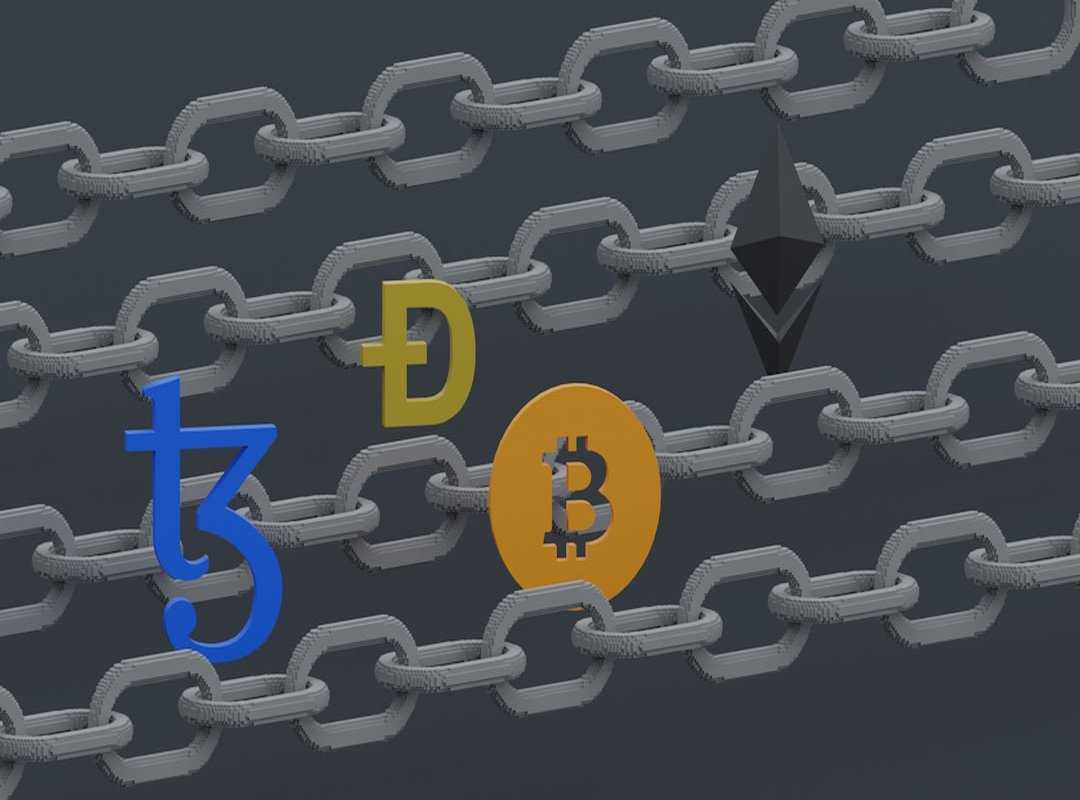
Ever tried moving digital assets between major blockchains like Ethereum and Solana? It’s like trying to send a postcard from one deserted island to another. The current blockchain world feels like a collection of isolated digital islands.
This separation stifles innovation and frustrates users.
I’ve dug deep into blockchain protocols to understand these barriers. The technical hurdles are real, but so is the potential for change. Imagine if these islands could connect seamlessly. cross-chain compatibility solutions come in.
They promise to bridge these gaps, unlocking a new frontier for digital asset utility.
This isn’t just tech jargon. It’s about enhancing user experience and pushing boundaries. In this article, you’ll get a clear, actionable guide.
We’ll demystify interoperable blockchain solutions and explore the trade-offs. Ready to dive in?
Why Blockchains Don’t Talk: The ‘Walled Garden’ Problem
Blockchains are like private clubs. Each has its own rules, its own format, and basically its own world. I mean, it’s great for security, but let’s be real: it’s a nightmare for anyone who wants to play in multiple sandboxes.
This isolation is what we call the “walled garden” problem.
For users and developers, this fragmentation causes headaches. Imagine holding a valuable NFT on Ethereum. You want to use it as collateral on Solana.
You need multiple wallets, maybe some wrapped tokens, and all this because blockchains aren’t designed to chat with each other. It’s like needing three different remotes just to watch TV. Frustrating doesn’t even cover it.
Sounds simple, right? Wrong. It’s a mess.
Here’s where cross-chain compatibility solutions come in. They’re supposed to bridge these gaps, but honestly, we’re not there yet. The process is cumbersome and sometimes even insecure.
Can we get a better solution? Absolutely. But it requires a shift in how these blockchains are designed.
If you’re intrigued by how these systems function behind the scenes, you can learn more in this guide.
In the end, we need a more unified approach. Until then, we’re stuck with our separate internets, hoping for a more connected future.
True Interoperability: Beyond Token Transfers
When people hear “blockchain interoperability,” they often think it’s just about moving tokens between networks. That’s not the whole story. Interoperability is much bigger.
It’s about distinct blockchain networks communicating and exchanging value and data seamlessly. Imagine you’re sending an email. You don’t worry about what service the recipient uses.
That’s how blockchain should work.
This isn’t just about asset transfers (token bridging). We’re talking about advanced stuff like cross-chain smart contract calls, data verification, and even sharing identity information. It’s like having a smooth conversation between two people who speak different languages.
They understand each other’s words (syntactic), but they also get the context and meaning (semantic).
So, what are these types of interoperability? Syntactic interoperability is all about understanding the data format. Think of it like reading a book in a different language.
Semantic interoperability, on the other hand, is about grasping the context and meaning behind that data. It’s like understanding the story’s details.
The ultimate goal? Creating a fluid “internet of blockchains.” Imagine information and value flowing as freely and securely as data does on the traditional internet. This is where cross-chain compatibility solutions come into play.
Why should you care? Because blockchain’s true potential lies in this smooth integration. It’s not just about isolated networks anymore.
It’s about creating a connected future where blockchains work together. So, are we ready for this change? I think we better be.
Cracking Interoperability: The Cross-Chain Puzzle
Interoperability in crypto isn’t just jargon (it’s) the future. Let’s talk cross-chain compatibility solutions. First up, cross-chain bridges.

These are often the go-to for moving assets between blockchains. But not all bridges are created equal. “Trusted” bridges are centralized, meaning someone holds control. This can feel like trusting your neighbor to watch your dog while you’re away (risky, right?).
On the other hand, “trustless” bridges rely on smart contracts. They’re decentralized and align more with crypto’s ideals. But they’re complex and not for the faint-hearted.
Now, to hub-and-spoke models. Think of Cosmos and Polkadot. They’re like the heart of a network, connecting different chains effortlessly.
Cosmos uses its Hub, while Polkadot relies on a Relay Chain. This setup provides a standardized communication system and shared security. It’s like having a universal adapter for all your gadgets.
Not everyone loves this model, though. Some argue it’s too centralized. But hey, efficiency often comes with trade-offs.
Cross-chain messaging protocols are next-gen solutions. Imagine the SWIFT system for banks but in crypto form. Protocols like LayerZero or Chainlink’s CCIP create a universal messaging layer.
They let dApps communicate directly without locking or wrapping assets. It’s like sending a message without needing a stamp. This innovation is shaking up how we think about blockchain interactions.
Curious about more tech advances? Check out the Layer 2 Scaling Solutions Guide. It’s a goldmine of info on scaling and efficiency.
Does all this sound overwhelming? Maybe a bit. But we’re heading into an era where these technologies will become everyday tools.
Interoperability isn’t just a nice-to-have. It’s important. Without it, we’re stuck in silos.
And nobody wants that.
The Interoperability Trilemma: Risks and Rewards
Ever heard of the “Interoperability Trilemma”? Sounds like something out of a sci-fi novel, right? It’s a real issue in the blockchain world, where solutions often juggle three balls: security, decentralization, and speed.
The problem? You can’t have all three without making some trade-offs.
Security is the elephant in the room. Bridges between chains are like candy to hackers (and they have a real sweet tooth). They’ve exploited major vulnerabilities before, and it’s not about to stop. When you connect chains, you create new attack surfaces. It’s like building a bridge but leaving the gates wide open.
Now, let’s talk about decentralization. Many cross-chain compatibility solutions reintroduce centralization. How’s that possible?
They rely on a small group of validators or a multisig wallet. This creates a single choke point and makes you trust a third party. Blockchain was supposed to eliminate the need for trust, not bring it back.
But here’s the kicker: this is the core engineering challenge the industry is actively working to solve. Engineers are cracking this nut, slowly but surely.
Complexity and speed are no small potatoes either. Cross-chain interactions are notorious for adding latency and complexity. It can mess with user experience and transaction finality.
So, what’s the takeaway? Navigating the interoperability trilemma requires real finesse. It’s a balancing act between security, decentralization, and speed.
The industry is on it, but it’s a steep climb. As we explore the future, these challenges remain front and center. Got your climbing gear ready?
Navigating Your Cross-Chain Future
Fragmented blockchains are a thorn in Web3’s side. You’ve learned what cross-chain compatibility solutions are and why they matter. Without them, the digital asset space remains scattered and inefficient.
We need real, decentralized interoperability to make Web3 thrive.
Now, what does this mean for you? It’s simple. The multichain world isn’t just a concept anymore; it’s becoming reality.
You want to be on the right side of this shift. Spotting secure interoperability protocols is key for successful investments. Secure your spot in the future by diving deep into the protocols we’ve covered.
Stay ahead by monitoring cross-chain standards. This isn’t just tech jargon, it’s your roadmap to smart investing. Ignoring this trend?
Not an option if you want to succeed.
Ready to transform your understanding into action? Start your journey at etrscrypto.net. It’s your go-to source for blockchain takeaways.
Get informed. Get invested. Don’t wait.
 There is a specific skill involved in explaining something clearly — one that is completely separate from actually knowing the subject. Havros Tyvonder has both. They has spent years working with etrs token utility models in a hands-on capacity, and an equal amount of time figuring out how to translate that experience into writing that people with different backgrounds can actually absorb and use.
Havros tends to approach complex subjects — ETRS Token Utility Models, Crypto Wallet Setup Tips, Expert Insights being good examples — by starting with what the reader already knows, then building outward from there rather than dropping them in the deep end. It sounds like a small thing. In practice it makes a significant difference in whether someone finishes the article or abandons it halfway through. They is also good at knowing when to stop — a surprisingly underrated skill. Some writers bury useful information under so many caveats and qualifications that the point disappears. Havros knows where the point is and gets there without too many detours.
The practical effect of all this is that people who read Havros's work tend to come away actually capable of doing something with it. Not just vaguely informed — actually capable. For a writer working in etrs token utility models, that is probably the best possible outcome, and it's the standard Havros holds they's own work to.
There is a specific skill involved in explaining something clearly — one that is completely separate from actually knowing the subject. Havros Tyvonder has both. They has spent years working with etrs token utility models in a hands-on capacity, and an equal amount of time figuring out how to translate that experience into writing that people with different backgrounds can actually absorb and use.
Havros tends to approach complex subjects — ETRS Token Utility Models, Crypto Wallet Setup Tips, Expert Insights being good examples — by starting with what the reader already knows, then building outward from there rather than dropping them in the deep end. It sounds like a small thing. In practice it makes a significant difference in whether someone finishes the article or abandons it halfway through. They is also good at knowing when to stop — a surprisingly underrated skill. Some writers bury useful information under so many caveats and qualifications that the point disappears. Havros knows where the point is and gets there without too many detours.
The practical effect of all this is that people who read Havros's work tend to come away actually capable of doing something with it. Not just vaguely informed — actually capable. For a writer working in etrs token utility models, that is probably the best possible outcome, and it's the standard Havros holds they's own work to.