If you’re searching for a clear, practical breakdown of how multi-signature wallets work and whether they’re right for your crypto strategy, you’re in the right place. This guide delivers a multi signature wallet explained exactly as it is given—without jargon, hype, or unnecessary complexity.
Many investors understand basic wallet security but struggle when it comes to shared custody, layered authorization, and advanced protection models. That confusion can lead to costly mistakes. Here, we’ll walk through how multi-signature wallets function at the protocol level, why they’re used in both institutional and personal setups, and how they strengthen digital asset security.
Our insights are grounded in hands-on analysis of blockchain mechanics, wallet infrastructure, and real-world security practices used across leading networks. By the end of this article, you’ll understand when a multi-signature wallet makes sense, how it protects your assets, and how to set one up with confidence.
Unlocking Shared Control Over Your Digital Assets
A multi-signature wallet, often shortened to multi-sig, requires two or more private keys to authorize a transaction. In contrast, a single-key wallet creates a single point of failure—lose the key, lose the funds (yes, like misplacing the only house key).
However, critics argue multi-sig adds friction and slower execution. Yet, when exchanges like BitGo report reduced internal fraud through multi-approval controls the trade-off looks rational. For example, a 2-of-3 setup lets two partners approve payments while a third key stays in cold backup. Pro tip: distribute keys across devices.
multi signature wallet explained.
The Core Concept: Understanding the “M-of-N” Standard
A multi-signature wallet (often shortened to multisig) is a crypto wallet that requires a minimum number of approvals (M) from a total group of keyholders (N) before a transaction can be executed. In simple terms, it’s the multi signature wallet explained: no single person can move funds alone unless the agreed threshold is met.
Think of it like a bank safe deposit box that needs two keys—yours and the manager’s—to open. One key alone does nothing. Together, they unlock access. (Yes, it’s basically the “launch codes” trope from every spy movie—but practical.)
Common configurations include:
- 2-of-3: Two approvals required out of three keyholders. Popular for balancing security and redundancy.
- 3-of-5: Often used by organizations to distribute authority.
- 2-of-2: Shared control, but no backup if one key is lost.
Why does this matter? Single-key wallets create a single point of failure. According to Chainalysis, over $3.8 billion was stolen in crypto hacks in 2022, much of it tied to compromised private keys and centralized control structures. Multisig reduces that risk by requiring multiple independent approvals, protecting against theft, lost keys, and even internal fraud.
Pro tip: distribute keys across different devices and locations to maximize resilience.
On-Chain Mechanics: How a Multi-Sig Transaction is Approved
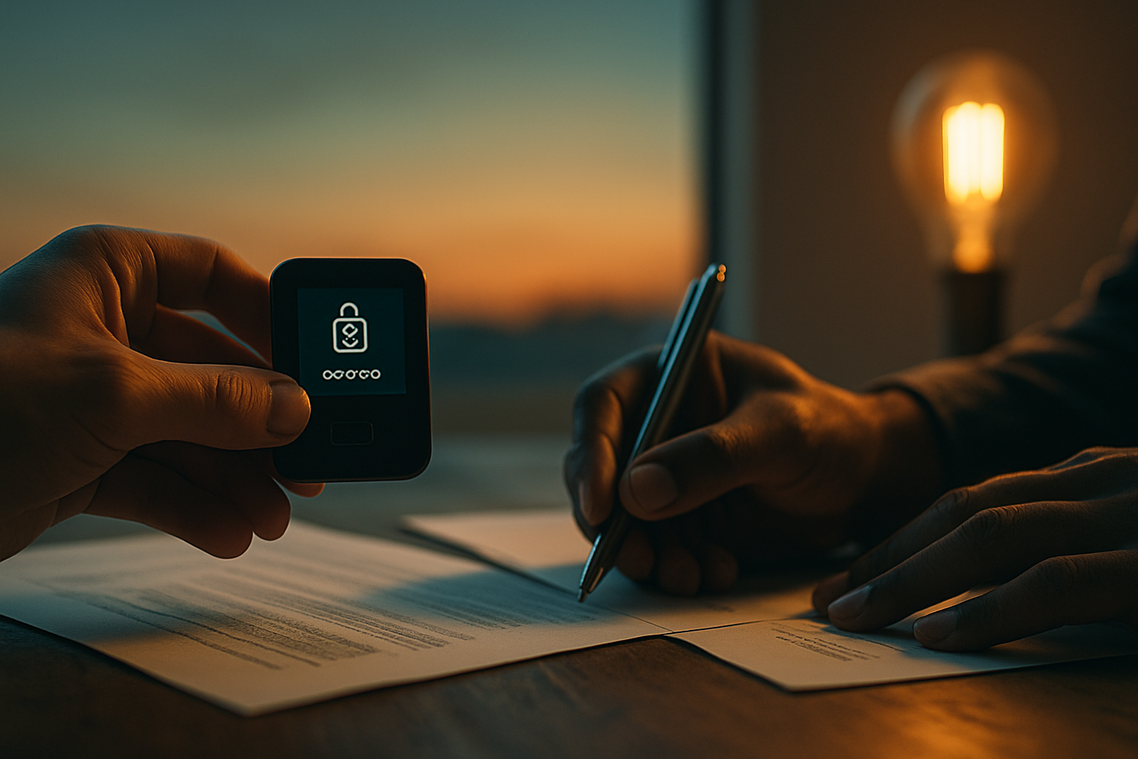
Understanding how a multi-signature transaction works requires looking at the on-chain evidence. Block explorers like Etherscan show that multi-sig wallets (such as Gnosis Safe) routinely secure billions in digital assets, with thousands of daily approvals requiring multiple confirmations before execution. That’s not theory—that’s verifiable blockchain data.
Step 1: Transaction Creation
One keyholder creates a proposal—for example, sending 1 ETH to another address. Importantly, this action does not immediately broadcast the transaction. Instead, the wallet contract logs a pending transaction. You can see these queued proposals directly in the wallet’s contract state (proof that nothing moves prematurely).
Step 2: Signature Collection
The proposal is shared with other keyholders. Each independently reviews the recipient address, amount, and gas settings. If approved, they sign using their private key. Cryptographic signatures rely on asymmetric encryption, the same standard securing Bitcoin and Ethereum since inception (Nakamoto, 2008; Buterin, 2014).
Step 3: Reaching Quorum
The smart contract verifies signatures mathematically. When the required threshold “M” is reached—say 2-of-3—the contract logic allows execution. No single signer can override this rule. This is precisely how high-profile DAO treasuries prevent unilateral fund movement.
Step 4: Broadcasting
Once quorum is met, the fully authorized transaction is broadcast and mined like any standard transaction. Gas fees are paid, validators confirm it, and the blockchain permanently records it.
This is the multi signature wallet explained in practical, on-chain terms—transparent, verifiable, and enforced by code (not trust).
Practical Use Cases: Who Needs Multi-Signature Security?
The first time I helped a friend recover funds after a phishing scare, he said, “I wish I hadn’t kept everything on one device.” That moment sold me on layered approvals.
Corporate & DAO Treasuries
For organizations, a multi-signature wallet explained simply means multiple private keys must approve a transaction before funds move. In practice, a 3-of-5 setup might require three executives to sign off before capital leaves the treasury. This reduces the risk of embezzlement or a rogue actor (yes, even in “trustless” systems, humans are involved).
Family & Estate Planning
I once advised a family that split three keys between parents and an adult child. No single person could access the crypto alone, but if one key was lost, funds weren’t gone forever. It created both security and continuity.
Escrow Services
In a 2-of-3 escrow, the buyer, seller, and neutral mediator each hold a key. Funds release when two parties agree. If there’s a dispute, the mediator steps in—no dramatic courtroom episode required.
Enhanced Personal Security
For individuals, spreading keys across a hardware wallet, laptop, and safe dramatically lowers hacking risk. Pair this with guidance from common crypto wallet mistakes and how to avoid them to avoid preventable errors.
Choosing and Setting Up Your Multi-Sig Wallet
The first time I set up a multi-sig wallet, I thought, “How hard could this be?” (Spoiler: harder than expected.) I nearly mixed up two seed phrases—proof that organization is security in crypto.
A multi signature wallet explained simply means multiple private keys must approve a transaction. There are two main types:
- On-chain multi-sig: Smart contract-based (common on Ethereum), flexible but dependent on contract code.
- Protocol-level multi-sig: Built into the blockchain (like Bitcoin), often simpler and battle-tested.
Some argue single-signature wallets are faster and easier. True. But if one key is compromised, that’s game over—like losing the only key to your house.
Key considerations include security audits, supported assets, user interface, and recovery options (pro tip: test recovery before funding).
General setup steps:
- Create a new wallet.
- Define the M-of-N configuration.
- Generate and securely back up each seed phrase.
- Verify receiving addresses carefully.
Measure twice. Sign once.
Multi-signature wallets set a new benchmark for asset protection by replacing single-point failure with distributed control. In terms, a multi signature wallet explained is a setup where multiple private keys must approve a transaction before funds move. Instead of one key acting alone, an M-of-N structure creates built-in checks and balances.
Critics argue this adds complexity and slows transactions. Fair point. Yet complexity, when designed well, is security’s best friend. Think of it like requiring executives to sign off on a wire transfer.
Moreover, multi-sig closes critical gaps competitors ignore: inheritance planning.
Pro tip: separate keys across devices and locations.
Secure Your Crypto Future with Confidence
You came here to gain clarity on protecting your digital assets and strengthening your crypto strategy—and now you have it. From understanding smarter storage options to leveraging advanced security setups like a multi signature wallet, you’re better equipped to reduce risk and take control of your holdings.
The reality is simple: one security mistake can cost you everything. Hacks, lost keys, and poor wallet management continue to drain millions from unprepared investors. You don’t want to learn that lesson the hard way.
Now it’s time to act. Start by upgrading your wallet security, implement a multi signature wallet structure for shared or high-value holdings, and review your current setup for vulnerabilities. Thousands of crypto users rely on our expert-backed insights to protect and optimize their digital assets.
Don’t leave your investments exposed. Strengthen your crypto security strategy today and take full control of your financial future.