
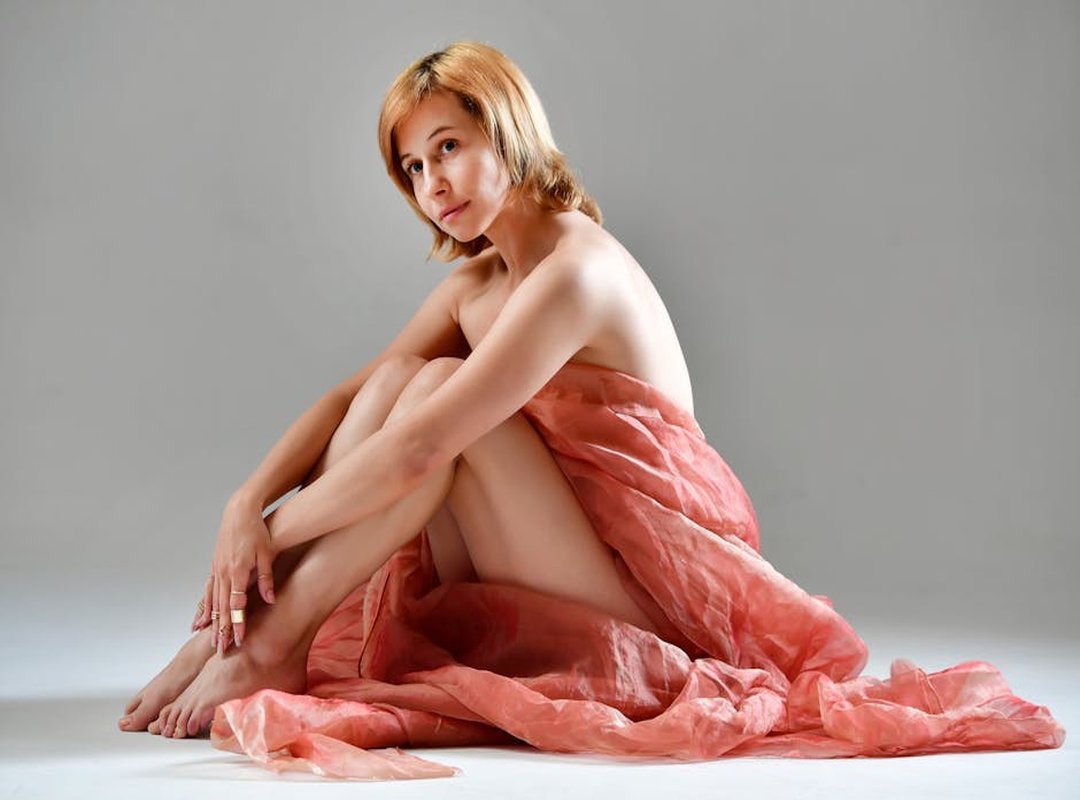
What makes a photograph more than just a snapshot? You might be wondering the same thing. It’s not just about capturing a moment; it’s about creating something that speaks to you.
Zolotova is a name that stands out in the world of artistic photography. Her work isn’t just about taking pictures; it’s about crafting images that feel like dreams.
Her style is known for its dreamlike quality, emotional depth, and masterful use of light. These elements come together to create something truly unique.
In this article, we’ll dive deep into Zolotova’s techniques, themes, and the profound impact of her work. We’ll go beyond the surface to uncover why these images resonate so deeply with viewers.
You’ll see how zolotova nudes and other works are more than just pretty pictures. They’re a window into a world where art and emotion collide.
The Zolotova Aesthetic: A Signature Blend of Surrealism and Soul
The Zolotova aesthetic is all about creating a dreamlike, almost otherworldly atmosphere. Soft focus and muted or monochromatic color palettes are key. These elements give the images a timeless, ethereal quality.
Dramatic light and shadow, or chiaroscuro, add depth and emotional intensity. The use of unconventional framing and negative space makes each image feel unique. It’s not just about what’s in the frame; it’s also about what’s left out.
Zolotova nudes, for example, often feature subjects placed in a way that creates a sense of intimacy and profound solitude. One photo might show a figure partially obscured by shadows, with only a sliver of light illuminating their face. This creates a mysterious, almost melancholic mood.
Another photo could be a close-up of a hand reaching out, surrounded by a vast, empty background. The negative space amplifies the feeling of isolation and longing. The blend of fantasy and stark reality in these scenes makes them both surreal and relatable.
The emotional spectrum in Zolotova’s work is powerful. Nostalgia, melancholy, and a deep sense of introspection are common. These emotions resonate with viewers, making the images more than just visually appealing.
They become a window into a shared human experience.
In summary, the Zolotova aesthetic is a deliberate fusion of technical precision and raw, emotional storytelling. It offers a unique visual language that speaks to the soul. By understanding and appreciating this style, you can gain a deeper connection to the art and the emotions it evokes.
Deconstructing the Craft: Key Themes and Techniques
Zolotova’s portfolio is a tapestry of recurring themes. Identity, memory, the human-nature connection, and the passage of time are at the heart of her work.
Identity often emerges through the raw, unfiltered portrayal of subjects. Memory is captured in the subtle, nostalgic hues that permeate her images. The human-nature connection is seen in the way she integrates natural elements, making them almost as important as the people in the frame.
The passage of time is a constant, shown through the use of light and shadow, and the deliberate aging of scenes.
Techniques like long exposures, intentional camera movement (ICM), double exposures, and specific post-processing styles create Zolotova’s signature look. Long exposures add a dreamlike quality, while ICM introduces a sense of motion and fluidity. Double exposures layer multiple moments, creating a complex, layered narrative.
The human subject in Zolotova’s work is never just a model. They are directed to convey authentic emotion and vulnerability. This isn’t about sterile poses; it’s about capturing real, unguarded moments.
Think of the raw, emotional scenes in movies like Eternal Sunshine of the Spotless Mind—that’s the kind of authenticity Zolotova aims for.
Locations and environments are active characters in her photographs. They contribute significantly to the mood and story. A desolate beach or an overgrown forest can tell as much of a story as the people in the frame.
These settings are chosen carefully to enhance the narrative, not just as a backdrop.
Visual metaphors play a crucial role. Everyday objects or settings are imbued with deeper symbolic meaning. A broken mirror might symbolize shattered memories, or a lone tree in a vast landscape could represent isolation.
These metaphors add layers to the visual storytelling, making each image a rich, multi-dimensional experience.
Gear is a means, not an end. Zolotova uses prime lenses, film, and digital cameras, but the focus is always on how these tools serve her artistic vision. Prime lenses, for example, help in achieving a shallow depth of field, drawing attention to the subject.
Film adds a grainy, timeless texture, while digital allows for more immediate experimentation.
In the world of decentralized communities, understanding how governance tokens empower decentralized communities is crucial. It’s all about giving power back to the people, much like how Zolotova gives voice to her subjects.
The Ripple Effect: Zolotova’s Influence on Contemporary Art
Zolotova’s distinct style has sparked a new wave in fine art, portrait, and even editorial photography. Her work is unlike anything we’ve seen before.
Pictorialism, for example, focused on soft, dreamy images that often felt more like paintings. Modern Surrealism, on the other hand, plays with the bizarre and the unexpected. Zolotova’s style, though, is all about raw, emotional, and sometimes even confrontational imagery.
Take zolotova nudes, for instance. They’re not just about the body; they tell a story. Each image feels like a chapter in a larger narrative.
This approach has resonated with a lot of artists who are looking to add depth and emotion to their work.
The crossover appeal of this aesthetic is undeniable. High-fashion magazines, album art, and boutique branding campaigns have all embraced it. It’s not just about the visuals; it’s about the story and the emotion behind them.
On visually-driven platforms like Instagram and Pinterest, Zolotova’s style has found a natural home. These platforms thrive on striking, emotive content, and her work fits right in. It’s no surprise that her influence has grown so rapidly.
Of course, there are criticisms. Some argue that the line between inspiration and imitation can be thin. But I think that’s part of the creative process.
Artists should be inspired, but they also need to find their own voice.
In the end, Zolotova’s true influence lies in encouraging photographers to develop a more personal, emotive, and story-driven approach. It’s about pushing boundaries and telling stories that matter.
Capturing the Unseen: Why Zolotova’s Photography Endures
Zolotova artistic photography is not just a style, but a profound method of interpreting and conveying the human experience. The unique aesthetic, deep thematic resonance, and innovative techniques set her work apart. These elements combine to create a visual language that speaks directly to the soul.
The enduring power of these images lies in their ability to capture intangible emotions and forge a genuine connection with the viewer. Zolotova nudes are a testament to this, revealing more than just form; they unveil the essence of humanity.
Look for the deeper stories and emotions within art, whether as a creator or an admirer.
 There is a specific skill involved in explaining something clearly — one that is completely separate from actually knowing the subject. Havros Tyvonder has both. They has spent years working with etrs token utility models in a hands-on capacity, and an equal amount of time figuring out how to translate that experience into writing that people with different backgrounds can actually absorb and use.
Havros tends to approach complex subjects — ETRS Token Utility Models, Crypto Wallet Setup Tips, Expert Insights being good examples — by starting with what the reader already knows, then building outward from there rather than dropping them in the deep end. It sounds like a small thing. In practice it makes a significant difference in whether someone finishes the article or abandons it halfway through. They is also good at knowing when to stop — a surprisingly underrated skill. Some writers bury useful information under so many caveats and qualifications that the point disappears. Havros knows where the point is and gets there without too many detours.
The practical effect of all this is that people who read Havros's work tend to come away actually capable of doing something with it. Not just vaguely informed — actually capable. For a writer working in etrs token utility models, that is probably the best possible outcome, and it's the standard Havros holds they's own work to.
There is a specific skill involved in explaining something clearly — one that is completely separate from actually knowing the subject. Havros Tyvonder has both. They has spent years working with etrs token utility models in a hands-on capacity, and an equal amount of time figuring out how to translate that experience into writing that people with different backgrounds can actually absorb and use.
Havros tends to approach complex subjects — ETRS Token Utility Models, Crypto Wallet Setup Tips, Expert Insights being good examples — by starting with what the reader already knows, then building outward from there rather than dropping them in the deep end. It sounds like a small thing. In practice it makes a significant difference in whether someone finishes the article or abandons it halfway through. They is also good at knowing when to stop — a surprisingly underrated skill. Some writers bury useful information under so many caveats and qualifications that the point disappears. Havros knows where the point is and gets there without too many detours.
The practical effect of all this is that people who read Havros's work tend to come away actually capable of doing something with it. Not just vaguely informed — actually capable. For a writer working in etrs token utility models, that is probably the best possible outcome, and it's the standard Havros holds they's own work to.